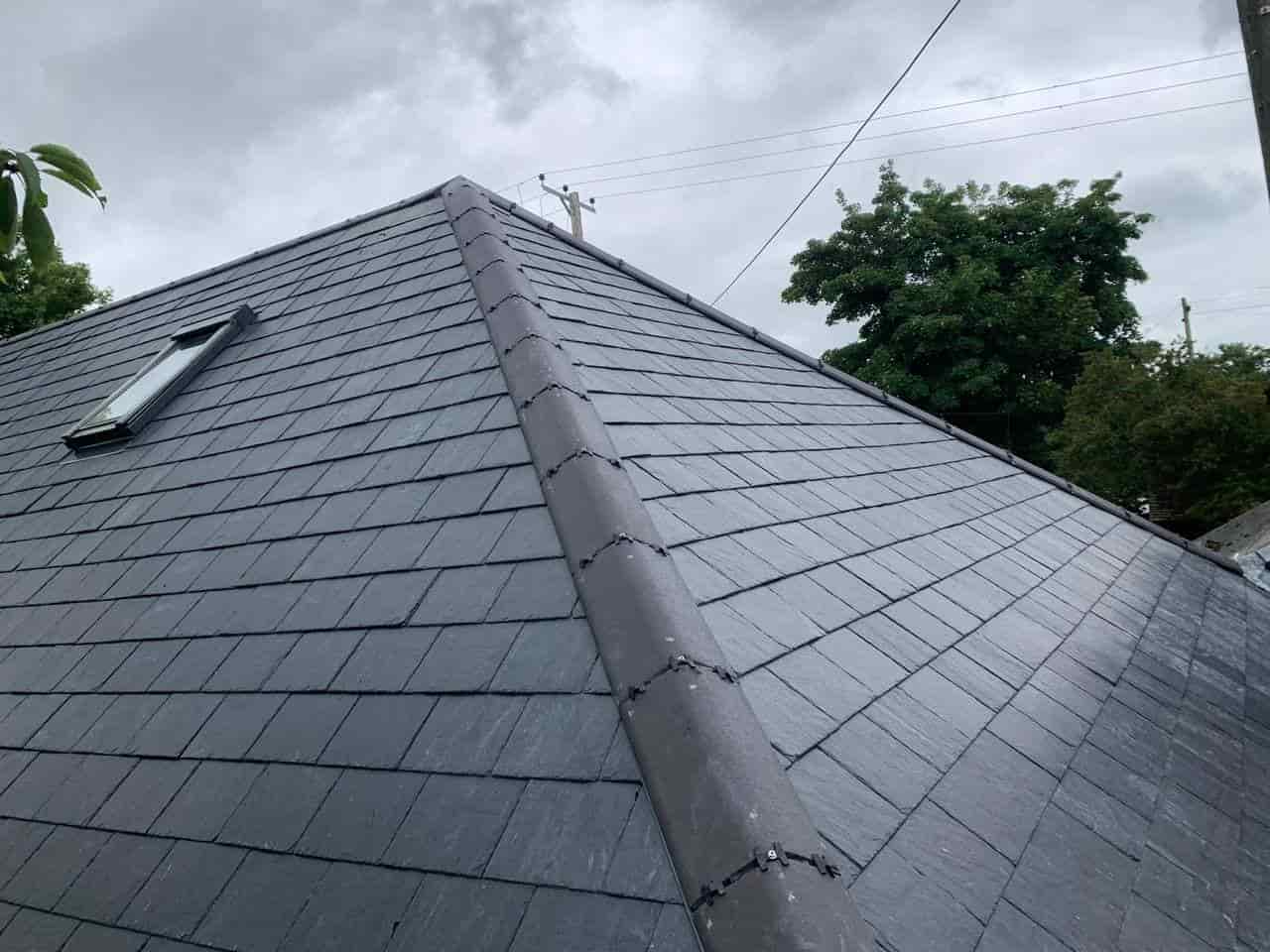
Finding one slipped roof tile may point to a straightforward localised defect, but discovering several displaced tiles deserves closer attention. Multiple slipped tiles can expose the layers beneath the roof covering and may indicate that the problem extends beyond the tiles themselves. Deteriorated fixings, ageing battens, previous installation issues or weather-related movement can all contribute, so simply putting the visible tiles back into position may not always provide a lasting solution.
At Hawkhurst Roofing, we provide professional roofing services throughout Hawkhurst, Kent, assessing slipped tiles carefully to establish why they have moved and whether any wider roofing repairs are required.
Why Do Roof Tiles Slip?
Roof tiles are installed as part of a complete system and should remain securely positioned under normal conditions. When several begin moving, it is important to identify what has changed.
Possible causes include:
- Deteriorated or failed fixings
- Damaged roofing battens
- Cracked or weakened tiles
- Previous poor installation
- Movement following strong winds
- General deterioration of an ageing roof
- Problems affecting a particular section of the roof
The cause matters because replacing or repositioning tiles without addressing the underlying weakness can allow the problem to return.
One Slipped Tile and Several Slipped Tiles Can Tell Different Stories
An individual tile may have suffered isolated damage while the surrounding roof remains perfectly serviceable.
Several slipped tiles, particularly when they occur close together, can suggest a problem affecting the way that section of roof is supported or secured.
If displaced tiles are appearing across different roof slopes, the wider condition of the roof should also be considered. This does not automatically mean extensive work is required, but it does justify a professional assessment.
What Happens Beneath a Slipped Tile?
Once a tile moves from its intended position, part of the roofing system underneath can become more exposed to the weather.
Tiles are designed to overlap so that rainfall is directed down the roof. Displacement can interrupt this arrangement and increase reliance on the underlay beneath.
Although roofing underlay provides secondary protection, it is not intended to replace the primary roof covering indefinitely. Damaged areas should therefore be investigated rather than left exposed.
Could the Battens Be the Problem?
Roof tiles are supported by battens beneath the covering. If these have deteriorated or become damaged, tiles may no longer have the support they require.
This can be particularly relevant when several neighbouring tiles have moved.
A professional roofer can inspect the affected area and determine whether the problem is limited to the tiles and their fixings or whether the supporting components also require attention.
Repeated Slipping Is a Warning Sign
If tiles have previously been repositioned but continue to move, repeatedly treating the visible symptom may not resolve the underlying issue.
Recurring problems can indicate:
- Weak or deteriorated fixings
- Problems with the supporting battens
- Unsuitable previous repairs
- Wider deterioration within the affected roof section
Finding the cause is more valuable than repeatedly returning the same tiles to position.
Strong Winds Can Reveal Existing Weaknesses
Adverse weather is often blamed when roof tiles become displaced, but strong winds can sometimes expose weaknesses that were already developing.
Tiles that are correctly supported and securely fixed are better able to withstand normal weather exposure. If several move during windy conditions, the surrounding area should be checked for deterioration rather than assuming the weather is the only cause.
Are Slipped Tiles Likely to Cause a Roof Leak?
They can.
Whether water enters the property depends on the position of the slipped tiles, the extent of displacement and the condition of the roofing materials underneath.
A leak may not appear immediately. Water can sometimes travel beneath roofing materials before becoming visible inside the property, which means the absence of an obvious internal damp patch does not necessarily confirm that the affected area is performing correctly.
Prompt inspection helps reduce the chance of a relatively small defect developing further.
Look at the Condition of the Surrounding Tiles
The displaced tiles should not be assessed in isolation.
If nearby tiles are cracked, loose, heavily weathered or beginning to move as well, this can provide useful evidence about the overall condition of that roof section.
A professional inspection should therefore consider:
- The slipped tiles
- Adjacent roofing materials
- Fixings
- Battens where accessible
- Underlay
- Nearby ridge, verge or junction details
This broader approach helps establish the true extent of the problem.
Does Several Slipped Tiles Mean You Need a New Roof?
Not necessarily.
Multiple slipped tiles can still represent a repairable localised problem. If the surrounding roof covering and supporting components remain in sound condition, repairing the affected section may be entirely appropriate.
More extensive work becomes worth considering when slipped tiles form part of a wider pattern involving issues such as repeated leaks, widespread tile deterioration, failing underlay or numerous previous repairs.
The decision should be based on the condition of the complete roof rather than the number of displaced tiles alone.
Why Prompt Repairs Are Worthwhile
Leaving slipped tiles unattended can expose the affected area to further weathering.
Early intervention allows the problem to be assessed while it may still be confined to a relatively small section. Suitable repairs can restore the intended tile arrangement and address any related defects discovered during the inspection.
Waiting until water ingress or further tile movement occurs can make the situation more complicated.
Professional Assessment Identifies the Actual Cause
From ground level, it can be difficult to determine why tiles have slipped or how extensive the problem is.
At Hawkhurst Roofing, we assess roofing problems throughout Hawkhurst, Kent, with attention to both the visible defect and the components that support the affected area. If straightforward tile repairs are sufficient, there is no reason to disturb sound roofing unnecessarily. Where a wider weakness is identified, it can be addressed as part of a properly planned repair.
This helps provide a more dependable result than simply treating what is immediately visible.
Conclusion
Several slipped roof tiles can indicate a bigger problem, but they do not automatically mean that extensive roof replacement is necessary. The important question is why the tiles have moved. Localised fixing problems may require relatively targeted repairs, while damaged battens, repeated movement or wider deterioration can point to an issue that needs more detailed attention.
A professional inspection is the most reliable way to distinguish between an isolated repair and a broader roofing problem.
If you have noticed several slipped or displaced roof tiles on your property in Hawkhurst, Kent, Hawkhurst Roofing can assess the affected area and recommend an appropriate repair. Contact our team to arrange an inspection and ensure the underlying cause is properly identified before further deterioration develops.
Call us on: 01580 234697
Click here to find out more about Hawkhurst Roofing
Click here to complete our contact form and see how we can help with your roofing needs.